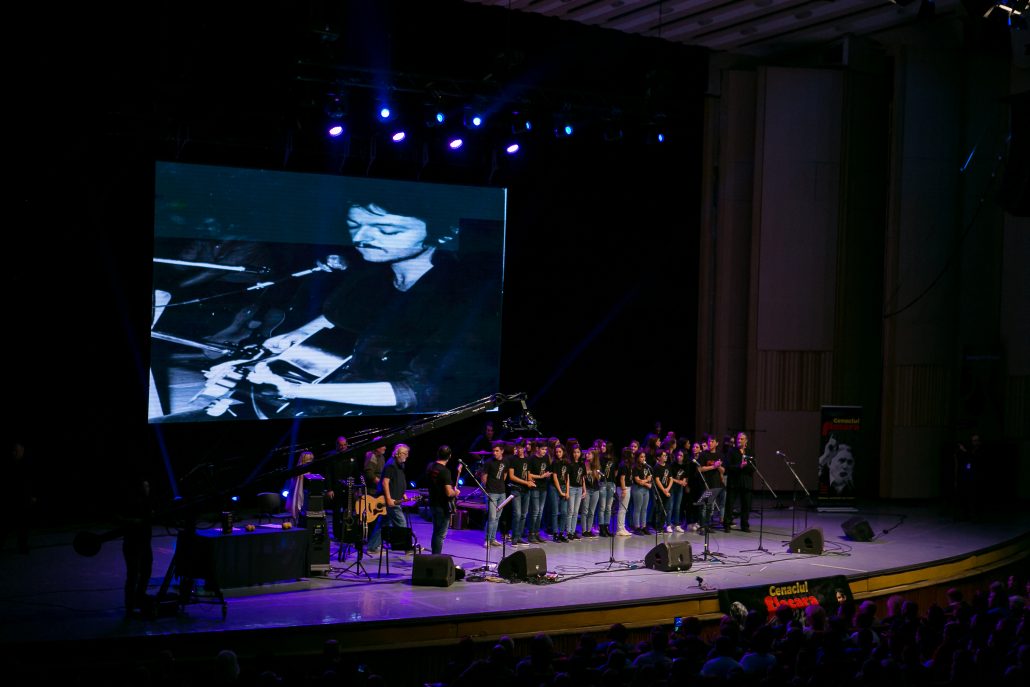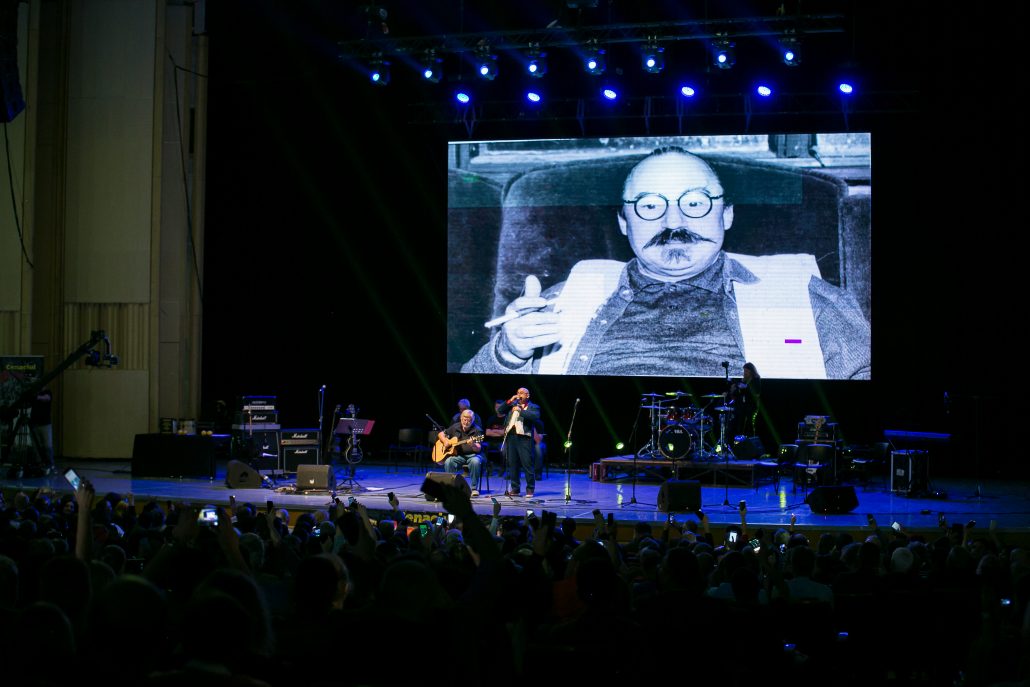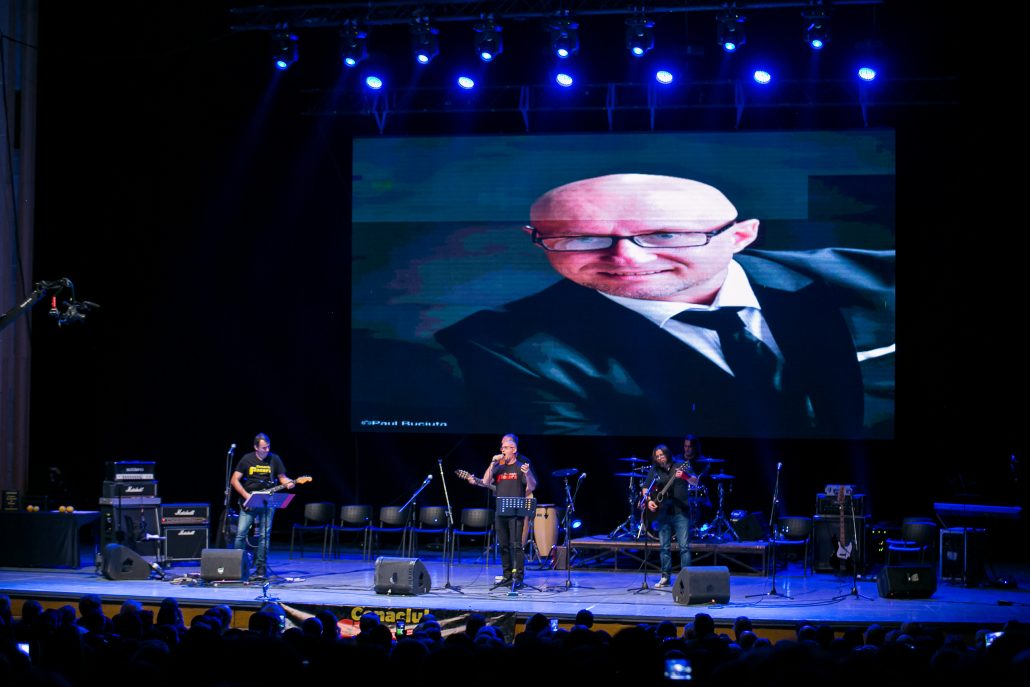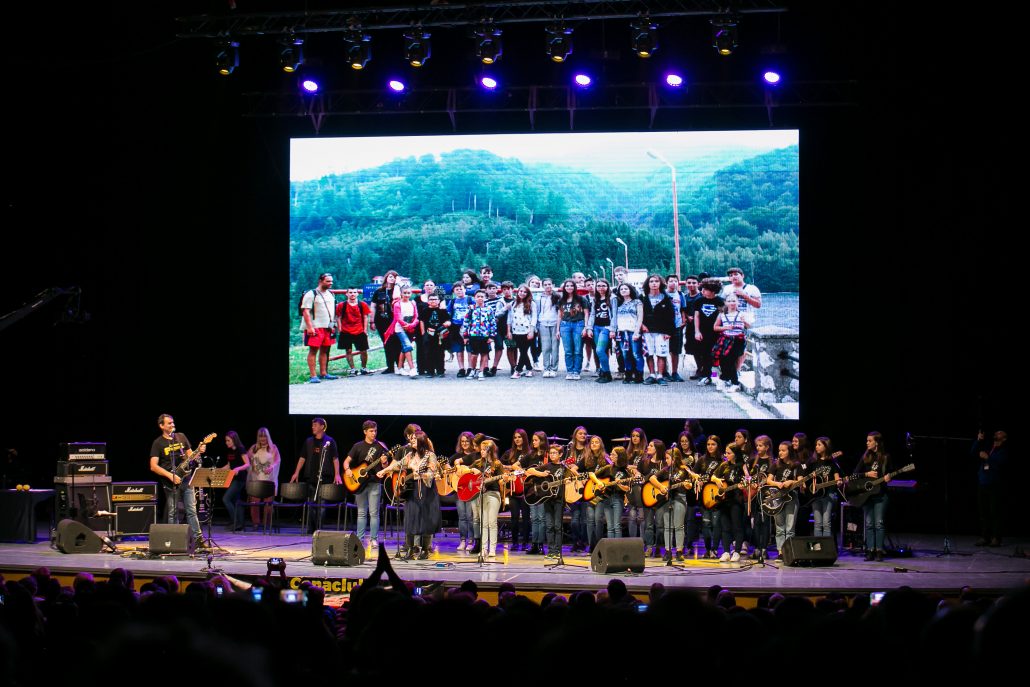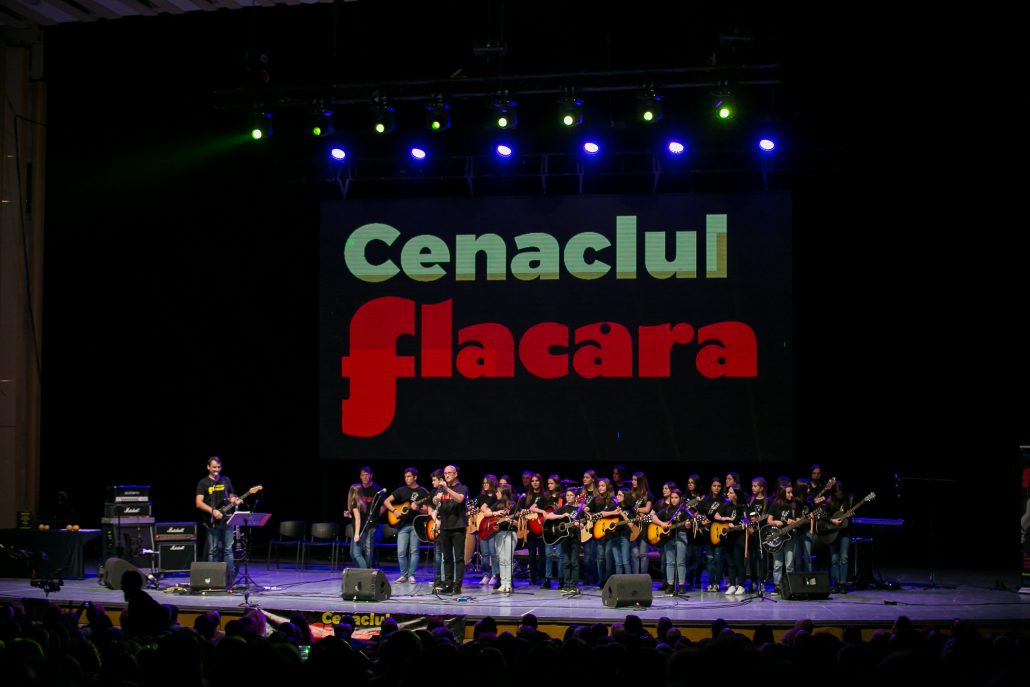
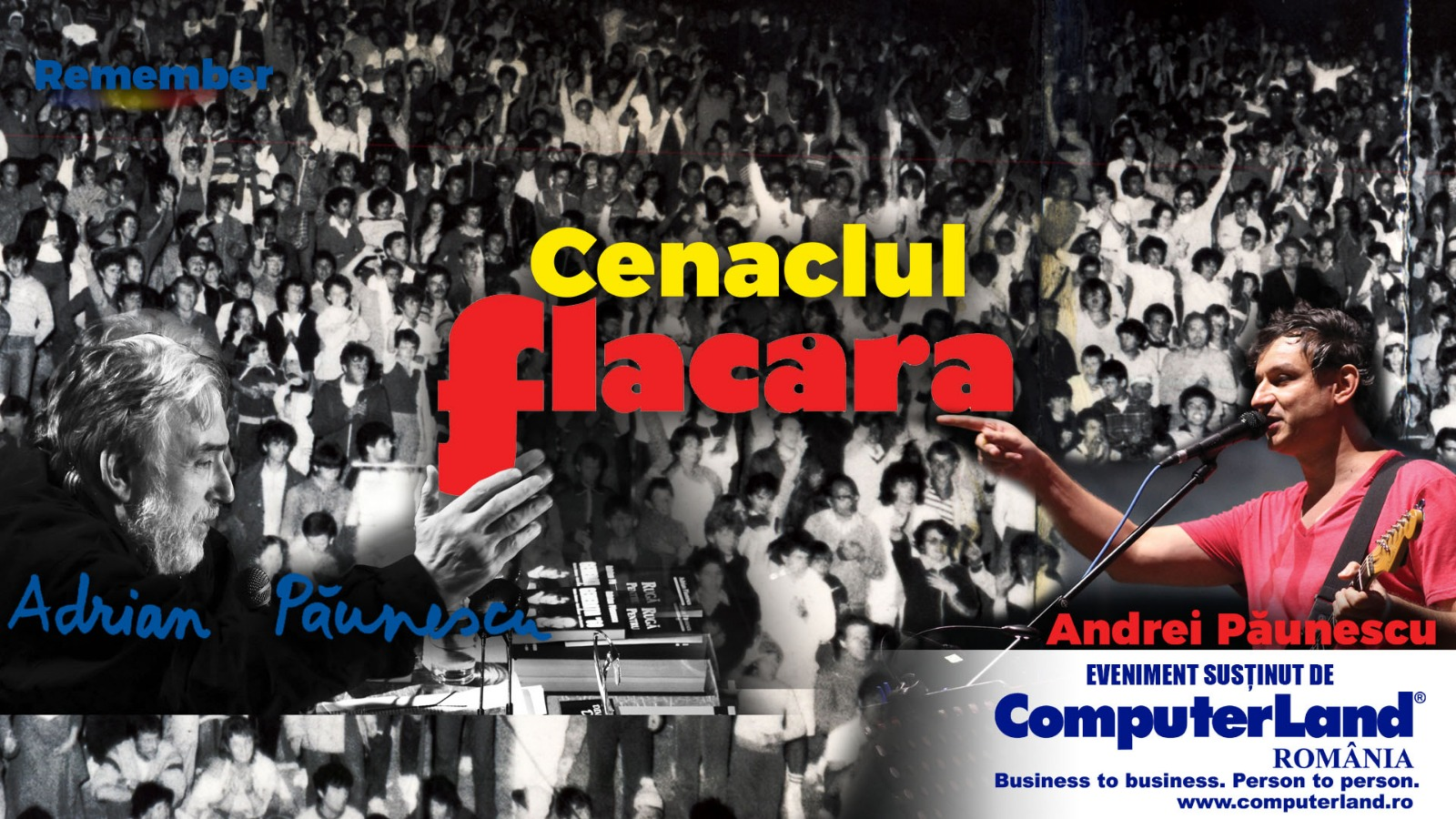
Remember THE CENACLUL FLACARA – Adrian Paunescu – 2018
"Remember CENACLUL FLACARA – Adrian Paunescu" is a show made to delight the hearts of lovers of folk music and true poetry, a journey through time meant to recreate the unique atmosphere of the most powerful youth and nonconformist cultural movement in Eastern Europe (and beyond), which conquered millions of fans in Romania between 1973 and 1985.
Banned before 1989 by the Romanian authorities for promoting freedom, culture and unrestricted thinking, through music, lyrics and dialogue, opposing censorship and dogmas of the totalitarian era, CENACLUL "FLACARA" produced an unprecedented phenomenon, managing to fill entire stadiums throughout Romania, generating record-breaking shows, which sometimes lasted ten hours.
In the first 12 years of activity, 1,615 events took place, with over six million spectators. After its re-establishment, between 1990 and 2010, over 1,000 performances took place, and after 2010, hundreds of "Remember CENACLUL FLACARA - Adrian Paunescu" events took place throughout Romania, but also abroad, with hundreds of thousands of participants.
CENACLUL "FLACARA" was a cultural phenomenon that took place between 1973 and 1985, led by the poet Adrian Paunescu - by unleashing the creative energies of those times, from poetry composed by Adrian Paunescu himself to verses recited from the poems of established poets, from music timidly performed by anonymous debutants, who were taking the stage for the first time, to well-known songs by already
established bands or soloists. CENACLUL "FLACARA" delighted the audience with music ranging from popular songs to classical, folk and rock music. On the stage of CENACLUL, led by the late poet Adrian Paunescu, Stefan Hrusca, Nicu Alifantis, Mircea Baniciu, Mircea Vintila, Tudor Gheorghe, Vasile Seicaru, Ducu Bertzi, Vali Sterian, Dan Andrei Aldea, Dumitru Farcasu, Victor Socaciu, George Nicolescu, Radu Gheorghe, Zoia Alecu, Ioan Gyuri Pascu, Madalina Manole, Phoenix, Iris, Voltaj, Holograf, Sfinx, Mondial, Metropol, Krypton, Celelalte cuvinte, Rosu si Negru, Divertis, Song, Gil Dobrica, Maria Nagy, Gheorghe Gheorghiu, Mircea Rusu, Andrei Paunescu and many others.
The concert halls and stadiums throughout the country proved to be too small for the multitude of people of all ages who wanted to take part in this phenomenon, fans of the "FLACARA" CENACLU from their youth, prominent representatives of the "generation in jeans", or young people who wanted to experience what their parents and grandparents enjoyed in the past, preserving fabulous memories, which they share with their descendants today.
In the past, the shows gathered thousands of young people. Today, the CENACLU "FLACARA" goes further: the CENACLU generation and the following generations, united through poetry and music, manage to revive the spirit of this true phenomenon. The performances of the CENACLU have brought together folk artists and great writers, actors and directors: Nichita Stanescu, Marin Sorescu, Florian Pittis, Amza Pellea, Radu Beligan, Florin Piersic and Stefan Iordache.
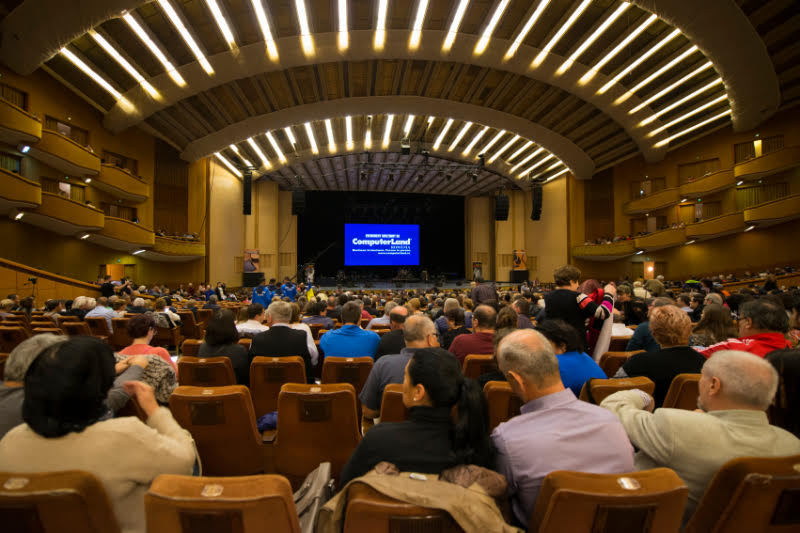
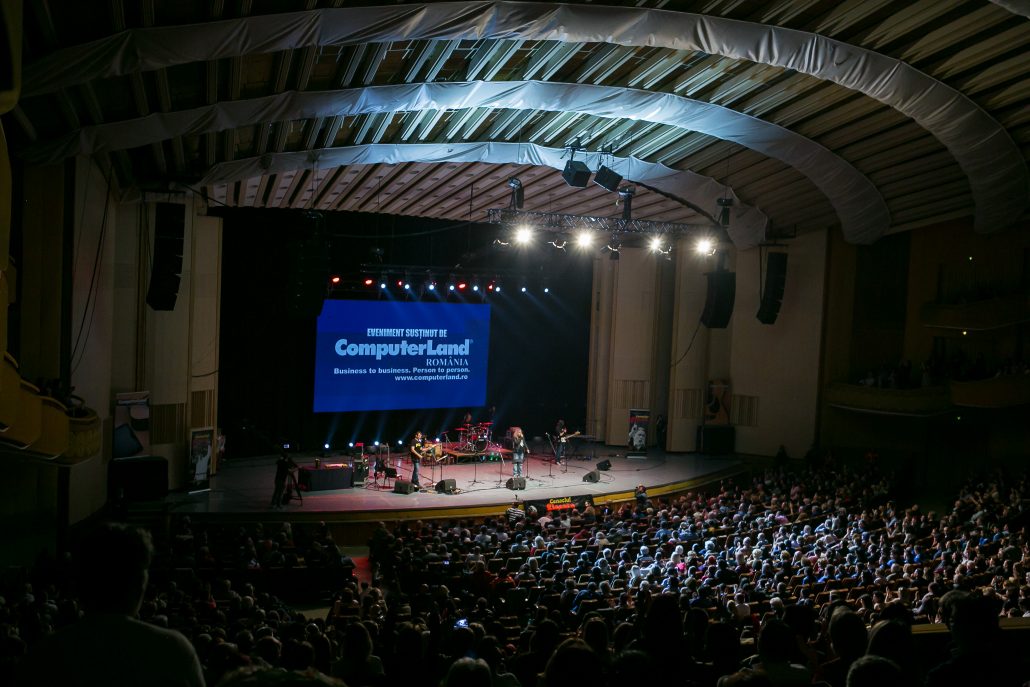
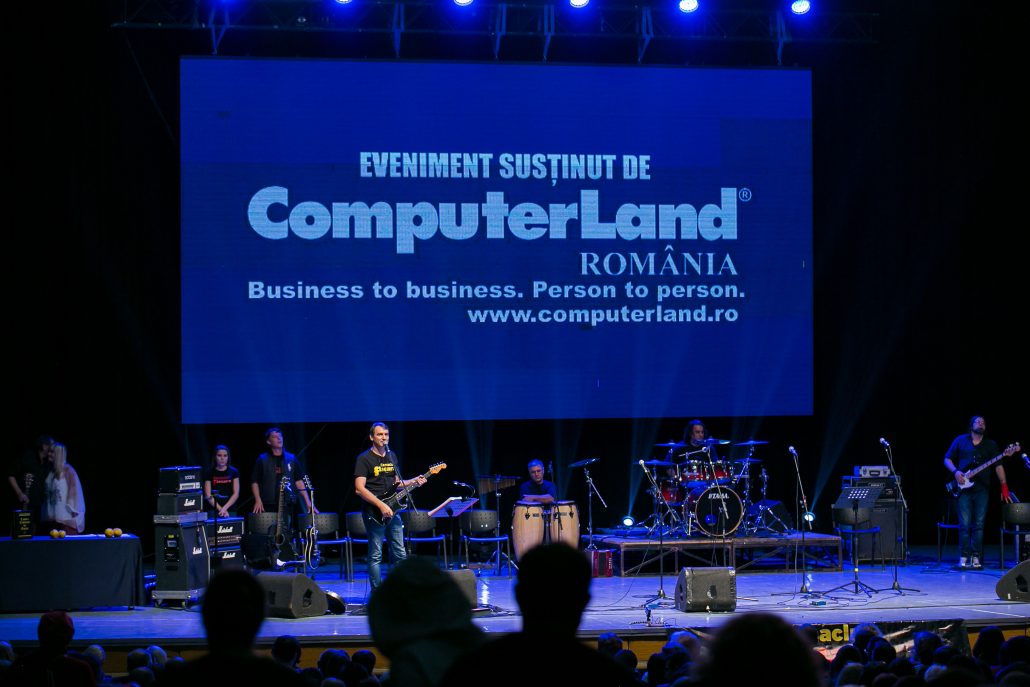
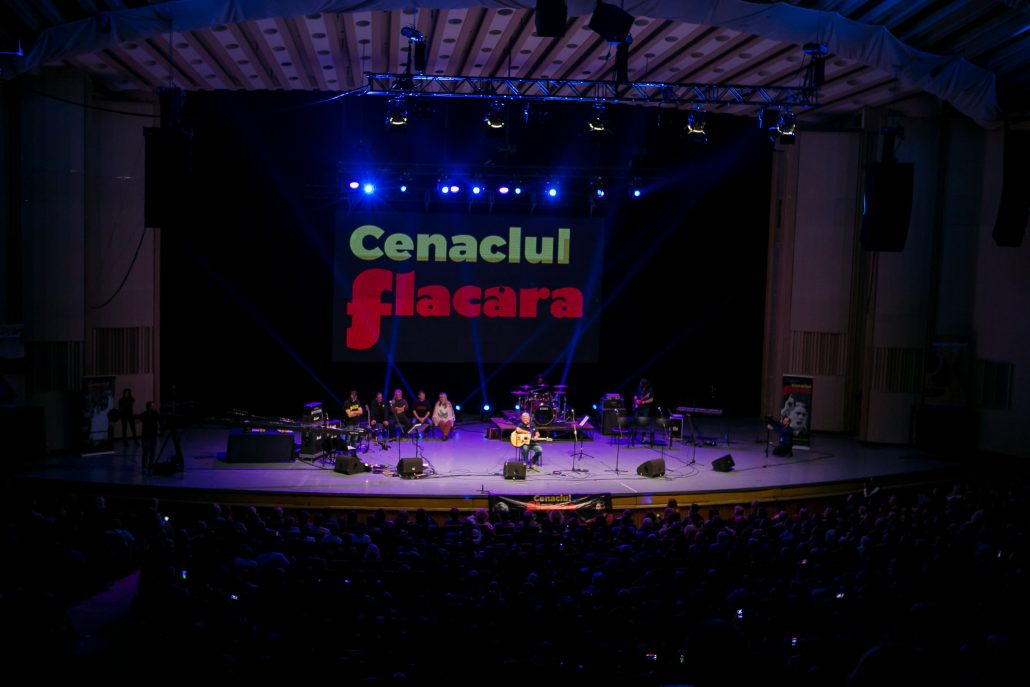
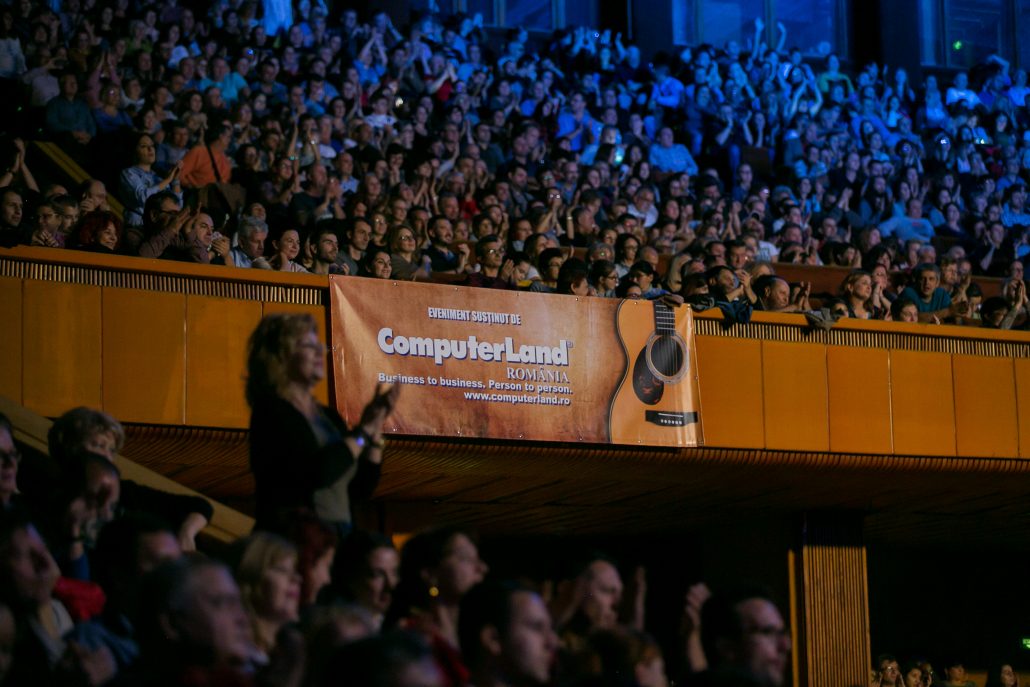
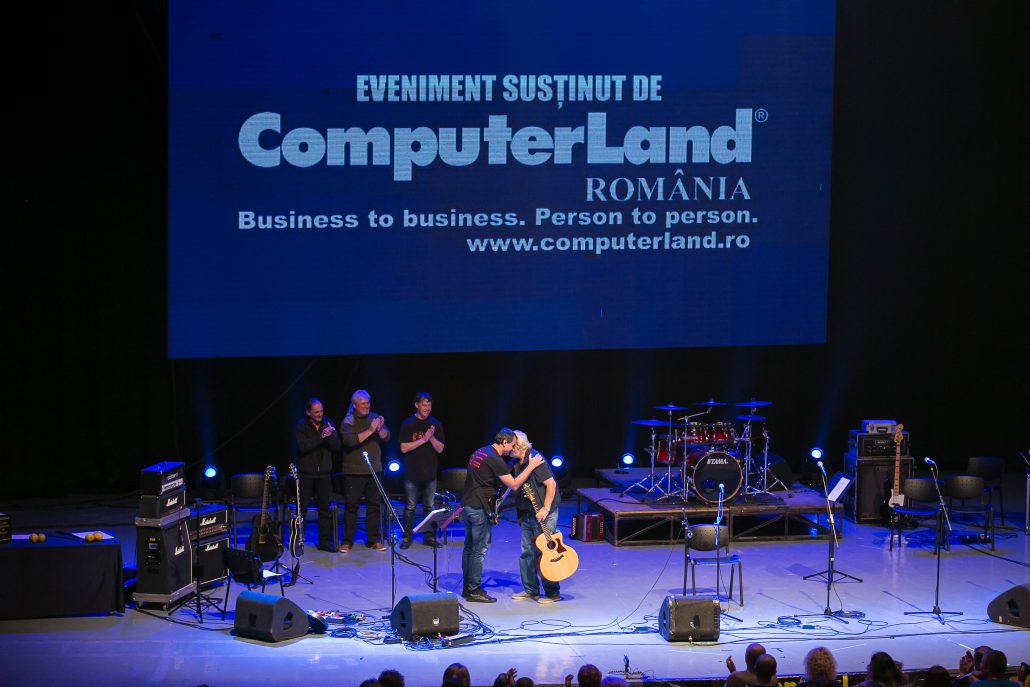
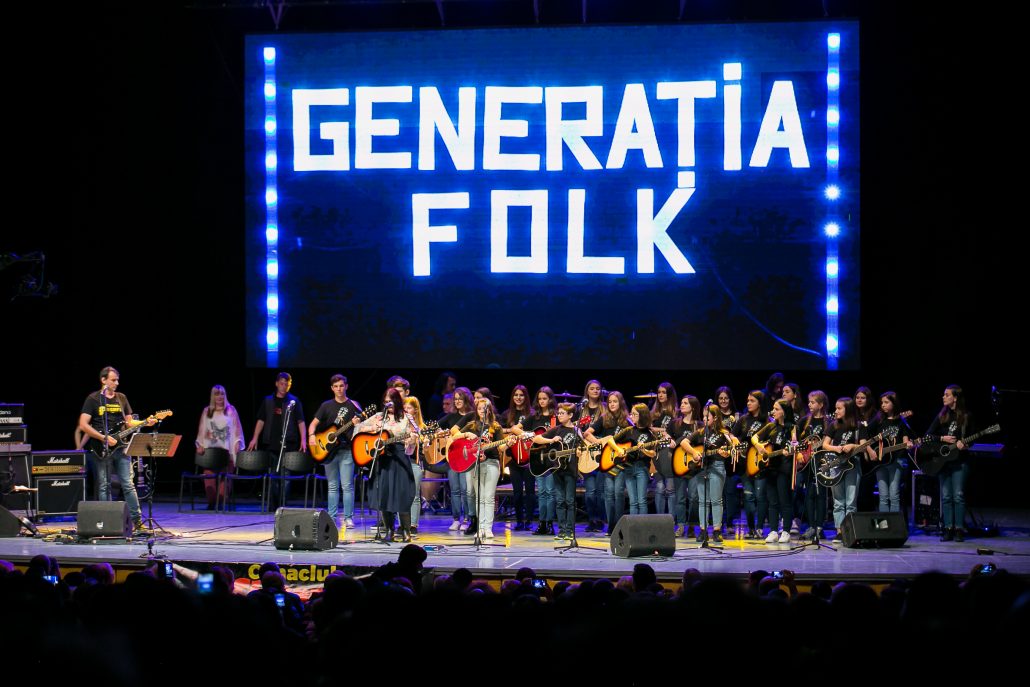
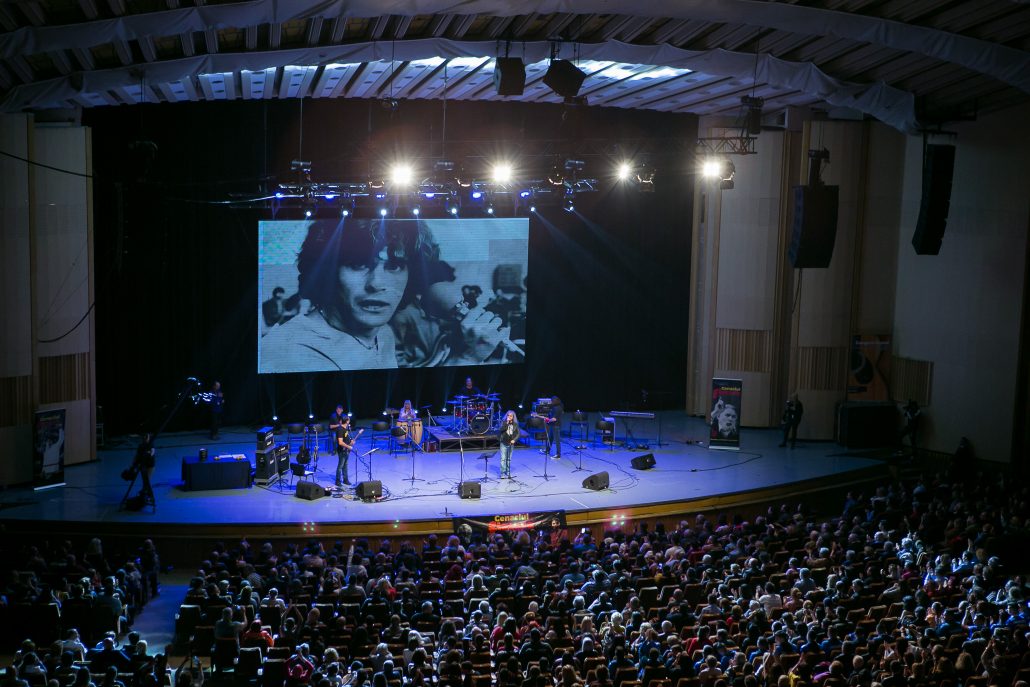
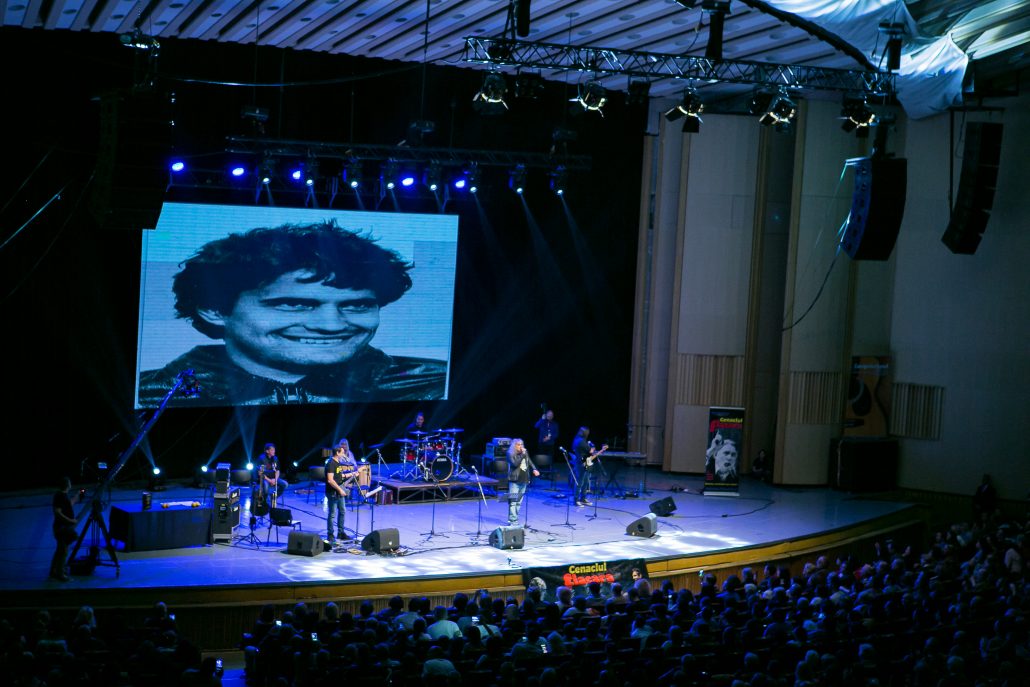
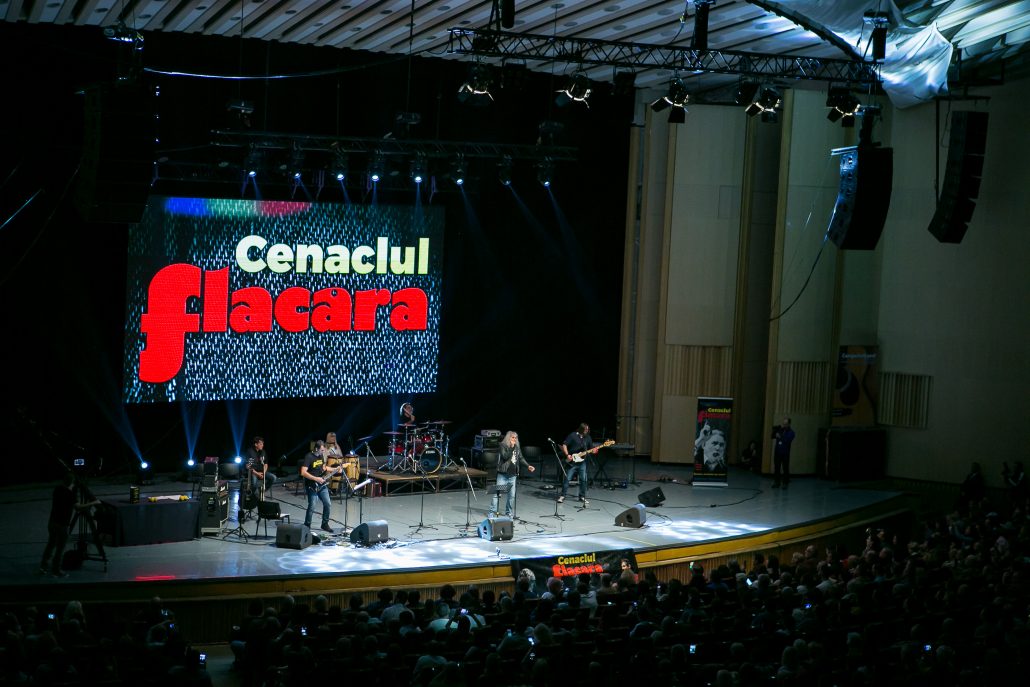
Andrei Paunescu returned to the Palace Hall with Remember Cenaclul Flacara – Adrian Paunescu. 45 years after the founding of the Cenaclul “Flacara”, 75 years after the birth of Adrian Paunescu and 100 years after the Great Union, numerous members of the Cenaclul “Flacara” met again for an exceptional event of music, poetry and dialogue, “Remember Cenaclul Flacara – Adrian Paunescu”, at the Palace Hall in BUCHAREST, SATURDAY, NOVEMBER 3, 2018, 7:00 PM – event supported by “COMPUTERLAND ROMANIA”.
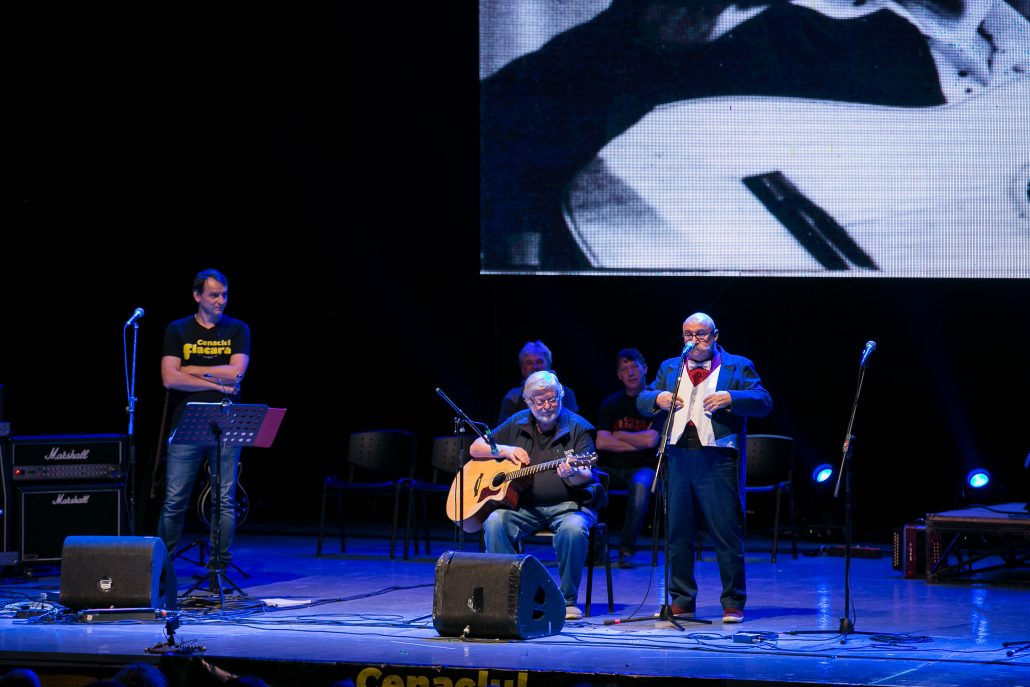
Thousands of Bucharest residents relived special moments on Saturday evening, which reminded them of the music they listened to in their youth. The artists who were part of the Cenaclul Flacara held a concert that evoked the memory of the one who initiated the cenaclul, the poet Adrian Paunescu.
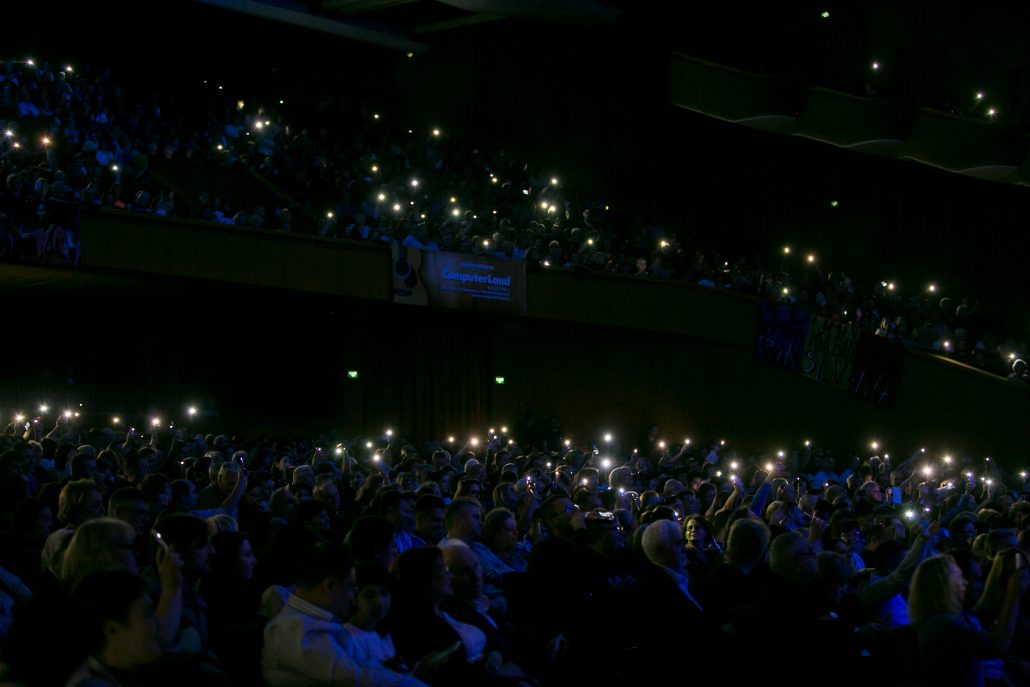
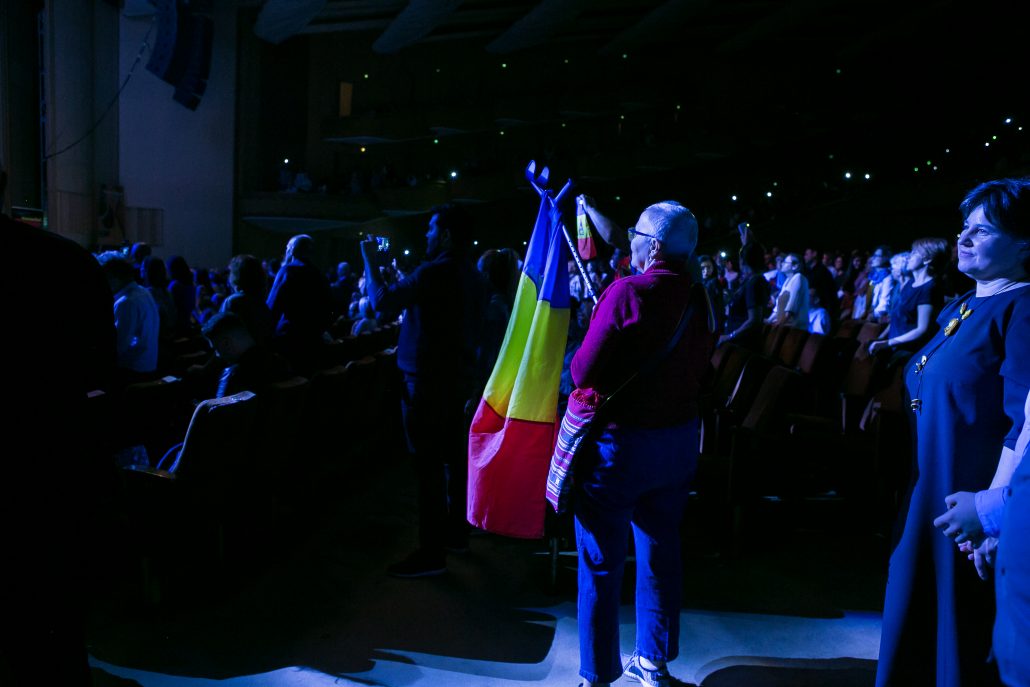
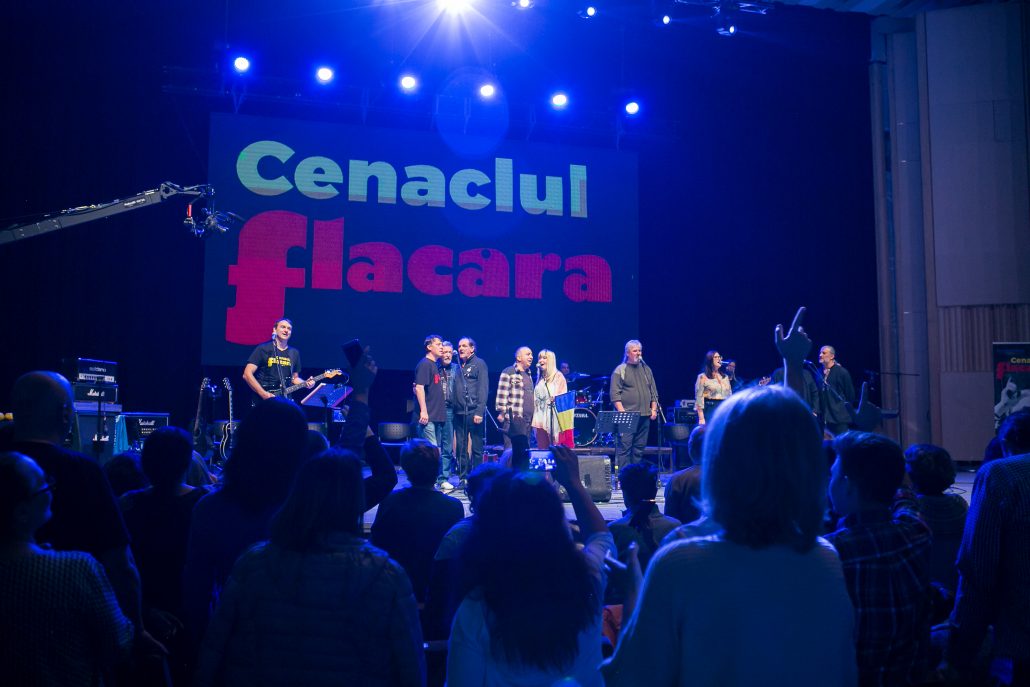
The show brought back to the attention of the public, especially among the young people of the past, those who still retain the nostalgia of the spirit of the generation in jeans, the artistic creation of the greatest phenomenon of living culture that appeared in Romania: the CENACLU "FLACARA". The stage and the audience sang together until late at night, and the event had a special emotional charge including for the young people who came in impressive numbers to the concert.
It was an event of generations, of deep thoughts, of chords in full harmony with the verse and the word spoken out of dedication and belief in the values of the Romanian nation, which through music, poetry and dialogue, created a show dedicated to the past, present and future at the same time.
It is a baton that the generations of the first events of the CENACLU "FLACARA" are handing over to the new generations, who, with pride and respect, take it over to carry it forward with enthusiasm and hand it over to them in turn. Time, as if, turned back when the hall, full of young people, sang, in one voice, texts that far exceeded their age, texts with an extraordinary poetic-emotional charge, almost incomprehensible to the younger generation. The palpable need of young people for lyricism, for the Romanian language, for inner beauty and for openness to another form of manifestation was felt.
"The Cenacl was like a factory for making songs. There were years of both revolt and live performance and that's why I left. We all walked around in jeans from morning to night, we slept in jeans, on stage we were still in jeans" - Vasile Seicaru.
And yet, folk music has a future, it is a living genre of music, it has not entered a shadow cone, and the old troubadours still fill concert halls to capacity, because they received the recognition of the public, of YOUNG PEOPLE.
It is in our power to bring everyone together towards the great culture: the young people of one era and the young people of another era.
“Anyway, despite the suffering, the humiliation and the programmed death, I am a lucky one, I am an anthological case, I am a spoiled one. I survive. And I write. And I forgive. And I love. And I hope. And it seems to me that I could start over, at any time.” Adrian Paunescu – “Liber sa sufar”.